Review: Creative Laser Cut Floral Border Design
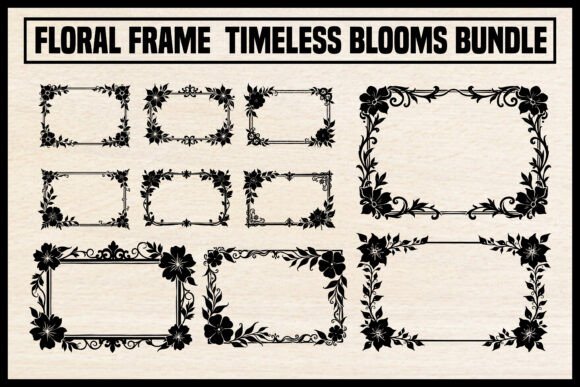
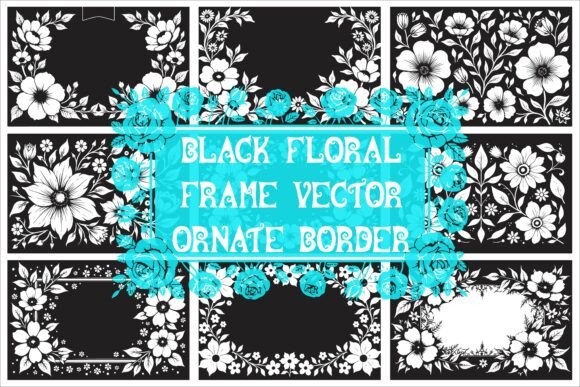
As a designer who spends more time staring at stitch simulations than most people care to admit, I approach new design assets with a mix of curiosity and skepticism. When I first opened the Creative Laser Cut Floral Border Design, my immediate reaction wasn't just about whether it looked pretty on the screen; it was about how those elegant flowers and ornamental details would translate into thread. This isn't just a graphic for a wedding invitation or a wall panel; for us in the embroidery world, it represents a potential machine embroidery design that needs to hold up under the needle.
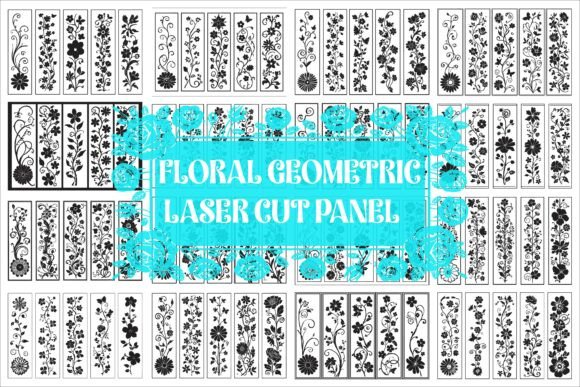
The visual personality of this piece is undeniably sophisticated. The layout features a flowing arrangement of leaves and blooms that suggests a vintage yet modern aesthetic. For an Etsy seller or a boutique owner, this kind of mood is gold. It speaks to quality without screaming for attention. However, the "laser cut" style in a digital file often implies sharp, clean lines and potentially open work. In the realm of Graphics within the Crafts category, this looks stunning, but translating that crispness into an embroidery file requires careful consideration of stitch types and density.
Real-World Application: The Boutique Tote Test
To truly evaluate this design, I imagined a specific real-life scenario: a custom order for a local bridal shop needing branded tote bags for bridesmaids' gifts. The client wanted something elegant that wouldn't look like a cheap promotional item. The Creative Laser Cut Floral Border Design seemed perfect for running along the bottom hem of a canvas tote bag design.
In this context, the border acts as a frame, elevating a simple bag into a keepsake. The intricate leaves and floral elements add a layer of perceived value. If executed correctly with a high-quality satin stitch for the outlines and a lighter fill stitch for the petals, the finished product could easily justify a higher price point. Customers reacting to the finished product would likely associate the detailed border with professionalism and care, which builds brand consistency and trust. It transforms a utility item into a personalized gift that feels special.
Performance Across Different Fabrics and Items
While the tote bag idea is strong, versatility is key for any craft business. How does this design perform elsewhere? For sweatshirt embroidery, the open nature of a laser-cut style can be tricky. On heavy fleece, you need enough density to prevent the fabric from poking through the gaps, but not so much that the design becomes a stiff plastic patch. A balanced approach using varied thread colors to create depth without excessive bulk would be essential here.
For smaller items like a baby embroidery project on a onesie or a bib, the scale becomes critical. The ornamental details in this design are fine. If scaled down too much for a small hoop, those tiny leaves might turn into a muddy mess of thread. Conversely, on a large pillow cover or kitchen towel, the design has room to breathe. The flowing nature of the border works exceptionally well on rectangular surfaces where it can act as a true edge decoration. For holiday embroidery or wedding gifts, the timeless floral theme ensures it doesn't feel dated next season.
Critical Considerations for Execution
Before committing this design to a client's custom apparel, there are several technical hurdles to clear. The "laser cut" aesthetic often relies on negative space. In embroidery, we simulate this with running stitch outlines or by leaving fabric exposed. This creates vulnerability on stretchy fabrics or textured materials like terry cloth. If you are working on a cap or a curved surface, the distortion could ruin the symmetry of the floral border.
Furthermore, dense stitch areas in the center of the flowers could cause puckering if the stabilizer isn't matched correctly to the fabric texture. For dark fabrics, you must ensure the design includes an underlay that prevents the background color from altering the vibrancy of the floral threads. Small details, like the tips of the leaves or the centers of the blossoms, need to be inspected closely in the software. Are they too small to stitch cleanly? Will they require a tack-down stitch or an applique design approach to maintain clarity?
Designer Notes for Best Results
If you plan to use the Creative Laser Cut Floral Border Design for commercial purposes or high-end personal projects, follow these practical steps:
- Test on Scrap First: Never skip the test run. Stitch the design on the exact same fabric weight and type you intend to use for the final small shop product.
- Check Contrast: Review how the design looks in black and white mockups. This helps identify if the stitch density provides enough definition without relying solely on color changes.
- Verify Hoop Size: Ensure your machine's hoop size can accommodate the full width of the border without needing to re-hoop, which risks misalignment.
- Stabilizer Selection: For open, lace-like designs, a cut-away stabilizer is often safer than tear-away to support the delicate connections between floral elements during washing.
- Licensing Check: Since this falls under Graphics and Crafts, confirm the license terms. Can you sell the digital embroidery file itself, or only the handmade product? Clarify this before listing on Etsy or other marketplaces.
- Thread Choice: Use high-sheen threads for the flowers to mimic the polished look of a laser cut, while matte threads might work better for the leaves to create textural contrast.
Ultimately, the Creative Laser Cut Floral Border Design offers a beautiful foundation for a variety of projects, from embroidered patches to elaborate home decor. Its success lies in the execution. By respecting the limitations of the medium and adjusting for fabric and scale, you can turn this graphic concept into a tangible asset that enhances your portfolio. Whether you are creating a printable mockup for a digital listing or stitching a physical holiday gift, this design has the potential to deliver the elegance and professionalism that modern buyers expect. Just remember, the difference between a good design and a great embroidery project is almost always in the preparation.